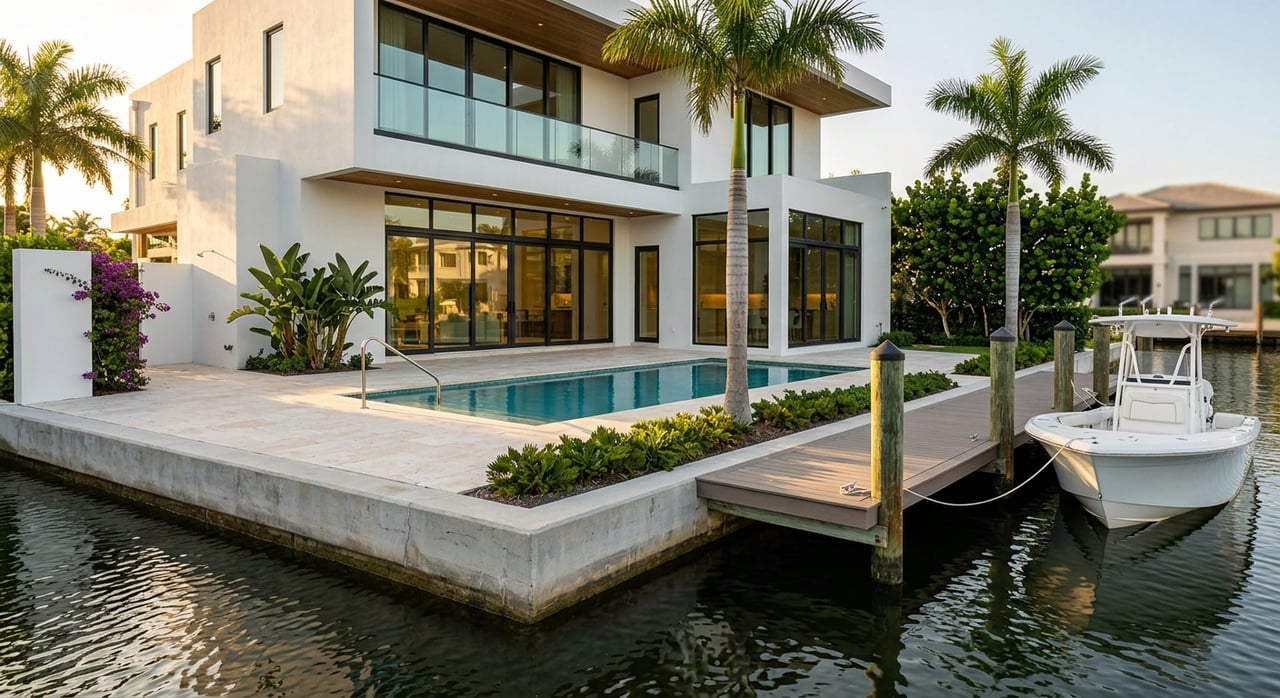
If you have looked at a few waterfront homes in Las Olas Isles, you have probably noticed something quickly: two listings with the same neighborhood name can offer very different day-to-day living. That can feel confusing, especially when every home seems to promise boating access, water views, and the Fort Lauderdale lifestyle. The good news is that once you understand how the lot meets the water, the choices become much easier to compare. Let’s dive in.
Las Olas Isles Is Not One Waterfront Product
Las Olas Isles is often talked about like one unified waterfront neighborhood, but it is made up of several distinct island sections. The Las Olas Isles Homeowners Association says the community includes Isle of Palms, Royal Plaza Drive, Coral Way, San Marco Drive, Lido, Bontona, Coconut Isle, Isle of Capri, and Mola, with more than 300 households.
A 2024 City of Fort Lauderdale ordinance describing Las Olas Isles for sanitation service places the area north and south of East Las Olas Boulevard from the Sospiro Canal Bridge east to the Intracoastal Waterway. In practical terms, that means you are not shopping one identical stretch of waterfront. You are comparing different canal positions, lot layouts, and routes to open water.
Fort Lauderdale is also a canal-based city by design. NOAA describes the city as being built around manmade canals, and those canals between the islands are used by riparian owners and their guests. That local waterway structure is exactly why one home can feel sheltered and private while another feels open, exposed, and more connected to passing boat traffic.
The Three Main Waterfront Choices
When buyers compare homes in Las Olas Isles, they are usually weighing three basic waterfront setups: point lots, interior canal homes, and Intracoastal-front homes. Each one creates a different boating and lifestyle experience.
Point Lots
Point lots are generally corner or peninsula-style parcels with water frontage on two or more sides. The big appeal is more linear waterfront, wider water views, and more flexibility for dockage or multiple slips.
That extra exposure can be a major advantage if you value a dramatic setting and want more options along the seawall. At the same time, point lots usually feel more open to wind, wake, and sun because they face water from more than one direction. In other words, they often trade shelter for presence.
Interior Canal Homes
Interior canal homes usually offer the most protected day-to-day setting. Because they front a single canal face instead of the open Intracoastal, the dock area often feels calmer and more tucked away.
This option can be appealing if you want a quieter dock experience or a more private backyard feel. The trade-off is that you may get less dramatic water scale, and larger boats may have less room to back in or turn depending on the canal width and the specific approach to the dock.
Intracoastal-Front Homes
Intracoastal-front homes are the broadest open-water option in the neighborhood. They usually deliver the biggest view corridors and the strongest sense of scale.
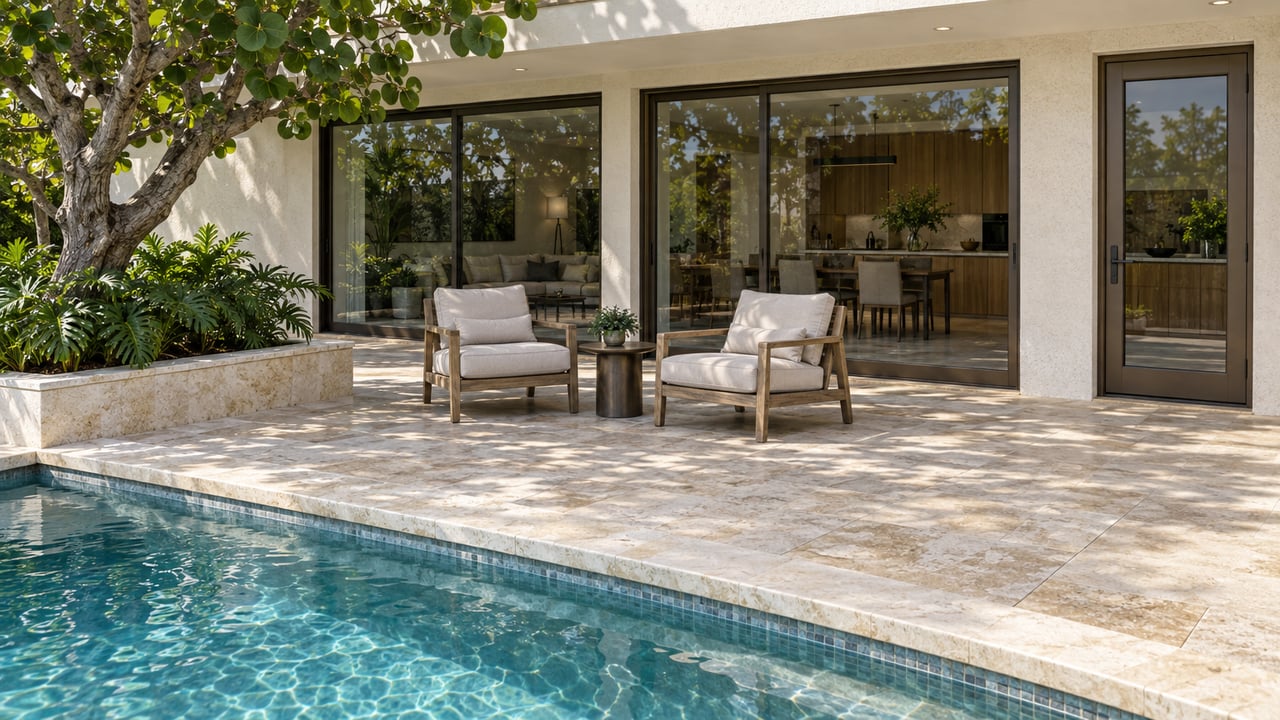
That bigger-water feel comes with more exposure to public vessel traffic and wake. For some buyers, that is part of the appeal. For others, it changes how usable the dock, pool deck, or outdoor entertaining space feels on a daily basis.
What Really Changes the Experience
The neighborhood name gets your attention, but the real differences come down to a few highly practical details. These are the factors that usually matter most once you move past the listing photos.
Canal Width and Turning Room
Canal width affects more than the look of the water behind the house. Wider canals are generally easier for backing, turning, and handling larger beams, while narrower canals tend to feel more intimate but less forgiving.
This is one of the most important variables in Las Olas Isles. A home may have beautiful dockage on paper, but if the turn into the canal or the maneuvering room at the dock is tight for your vessel, the property may not function the way you want it to.
Bridge Clearance
Many buyers assume that a waterfront home in this part of Fort Lauderdale means simple, direct boating access. That is not always the case. Route planning matters.
NOAA lists the East Las Olas Boulevard bridge as a bascule drawbridge with about 24 feet of clearance, and it opens on the quarter-hour and three-quarter hour. If your boat’s air draft does not fit the route, or if bridge timing affects how you plan your days on the water, that should be part of your home search from the start.
Farther south, NOAA lists the 17th Street bridge with 55 feet of clearance. For taller boats, the route to open water can be just as important as the lot itself.
Orientation and Exposure
Two homes on the same canal can feel completely different because of orientation. Sun, breeze, shade, and afternoon heat all change depending on how the backyard faces.
In South Florida, that matters in real life, not just on paper. The same water view that looks beautiful during a showing may feel much warmer in late afternoon if the yard takes on stronger western sun. If you plan to spend a lot of time outdoors, exposure deserves the same attention as dock length.
Lot Configuration
Lot shape changes how a property lives. Point lots tend to offer the broadest views and the most flexibility for dockage, while linear canal lots usually have a simpler single-frontage layout.
Intracoastal-front lots create the strongest big-water setting, but they are usually less sheltered from wake and more visible from passing traffic. These distinctions explain why homes in the same neighborhood can feel like entirely different products even when the price points seem close.
Why Exact Parcel Details Matter
One of the biggest mistakes buyers make in Las Olas Isles is assuming the neighborhood label tells them everything they need to know. It does not. The exact parcel tells the real story.
The research is especially important because canal depth and dredging are active maintenance issues, not permanent constants. The City of Fort Lauderdale’s waterway survey program reflects that these conditions are measured and updated over time.
That means you should look beyond broad descriptions like “deepwater” or “boater’s dream” and focus on the specifics of the actual home. In this neighborhood, a small difference in geometry or route can change how useful the property is for your boating goals.
Questions to Ask Before You Compare Homes
If you want a smarter way to compare Las Olas Isles waterfront properties, focus on the details that affect daily use. These questions can help you evaluate a home more clearly:
- What is the exact route from the dock to open water?
- Which bridge or bridges does that route use?
- What is the actual canal width at the dock and at the turn?
- What is the current canal depth?
- Has the city recently surveyed or dredged that section?
- How much dockage is truly usable after setbacks, seawall condition, and neighboring docks are considered?
- Is the lot a true point lot, a mid-canal lot, or direct Intracoastal frontage?
- How much wake, wind, and boat traffic should you expect at that frontage?
These are not minor technicalities. In Las Olas Isles, they are often the difference between a home that simply looks waterfront and one that truly fits the way you want to live.
How to Match the Option to Your Lifestyle
If you are deciding between waterfront types, it helps to start with how you want the property to feel. A point lot may suit you if you care most about wide views, visual impact, and more flexible dock layout.
An interior canal home may fit better if you want a calmer dock setting and a more sheltered backyard environment. An Intracoastal-front home may be the right choice if you want scale, openness, and a stronger connection to the bigger-water experience.
There is no universal best option. The best choice depends on your boat, your tolerance for wake and exposure, and how you plan to use the outdoor space week after week.
The Bottom Line on Las Olas Isles Waterfront
In Las Olas Isles, the most important comparison is not just address versus address. It is point lot versus interior canal versus Intracoastal frontage, filtered through canal width, turning room, bridge clearance, depth, and orientation.
That is why two homes in the same neighborhood can deliver such different experiences. When you evaluate the exact dock-to-water route and the lot’s physical relationship to the canal or Intracoastal, you make a much more confident decision.
If you want clear, concierge-level guidance on comparing Las Olas Isles waterfront homes, planning a move, or narrowing the right boating fit, connect with Latitude Key. We are here to help you evaluate the details that matter most.
FAQs
What makes a Las Olas Isles point lot different from a canal lot?
- A point lot typically has water frontage on two or more sides, which can provide broader views and more dock flexibility than a single-frontage canal lot.
What should buyers check about bridge clearance in Las Olas Isles?
- Buyers should confirm the exact route from the dock to open water and whether it uses the East Las Olas Boulevard bridge, which NOAA lists at about 24 feet of clearance with scheduled openings.
Why does canal width matter for Las Olas Isles homes?
- Canal width affects how easily you can back, turn, and handle a boat at the property, especially if you own a vessel with a larger beam.
Are Intracoastal-front homes in Las Olas Isles always better?
- Not necessarily. Intracoastal-front homes usually offer larger views and more open-water presence, but they also tend to have more exposure to wake and passing boat traffic.
Why should buyers ask about canal depth in Las Olas Isles?
- Canal depth is an active maintenance issue that can change over time, so buyers should verify current conditions and recent survey or dredging information for the specific location.
Is all waterfront in Las Olas Isles the same?
- No. Las Olas Isles includes multiple island sections, and the waterfront experience can vary significantly based on lot type, canal position, and route to open water.