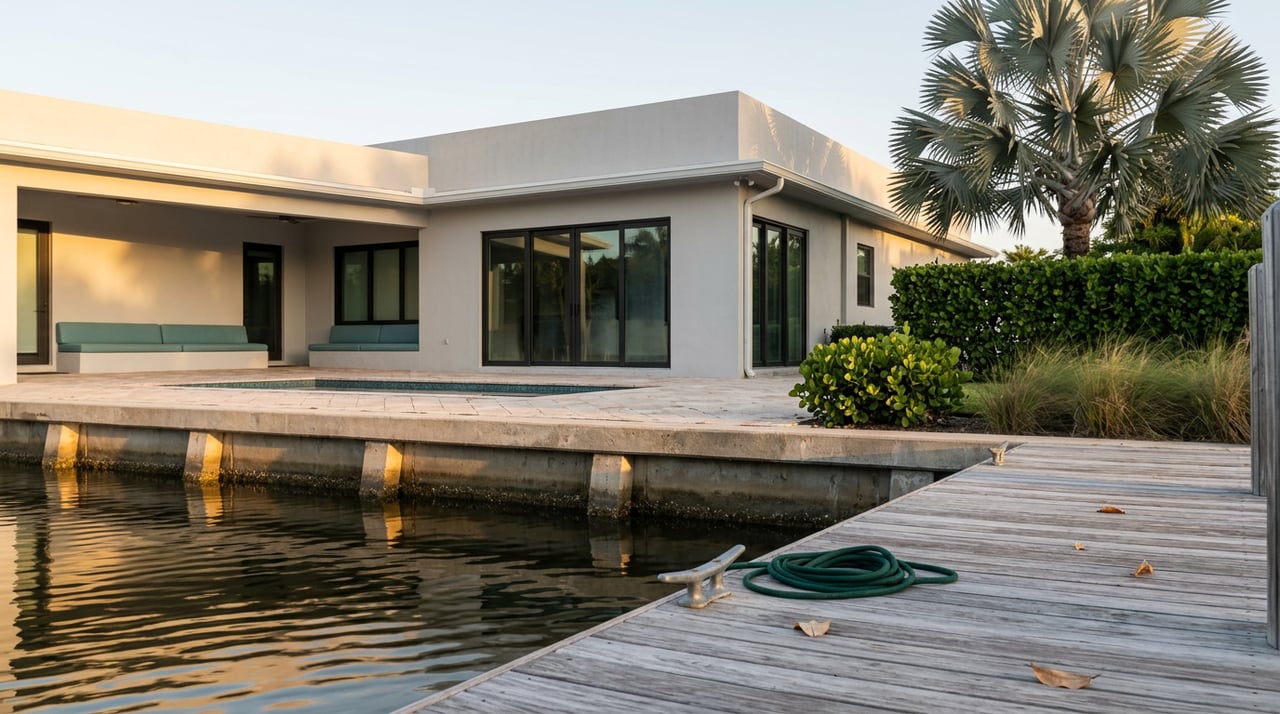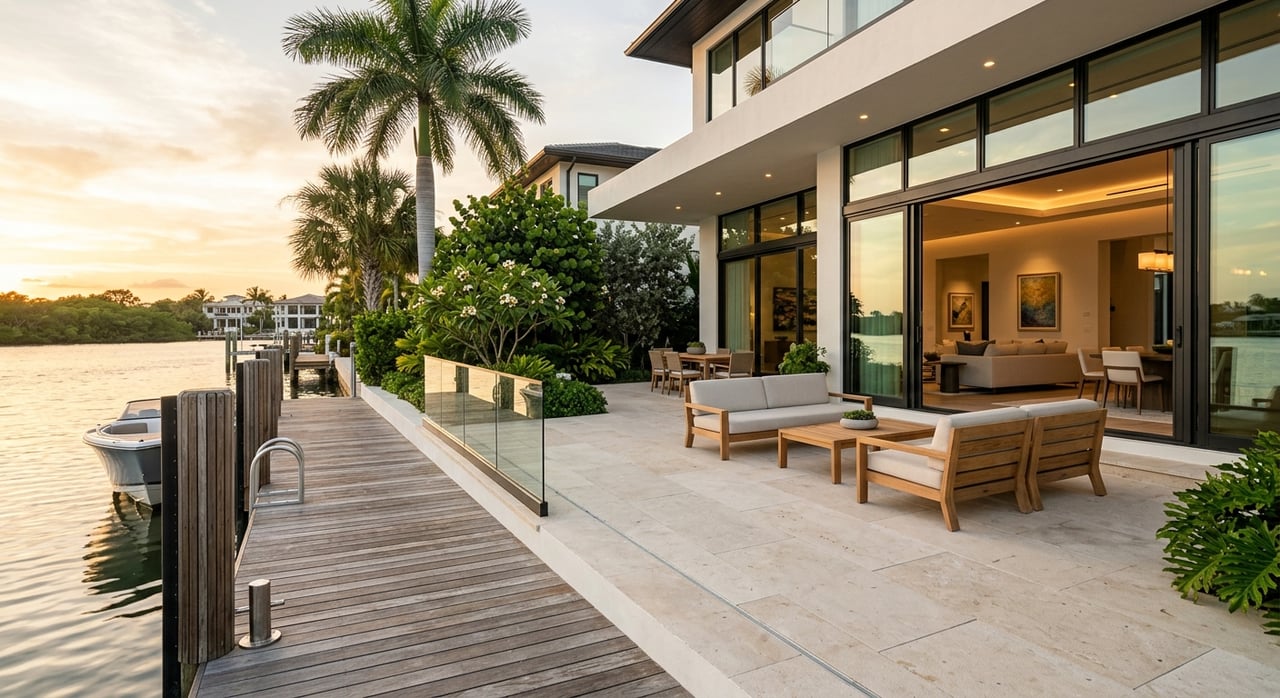
If your idea of winter includes ocean breezes, a short walk to the beach, and a home base that feels more residential than resort-heavy, Harbor Inlet deserves a closer look. This small Fort Lauderdale barrier-island neighborhood offers a very specific kind of seasonal living, and that matters when you are deciding where to spend a few months or where to buy a second home. In this guide, you will get a clear picture of what life here feels like, what housing options tend to fit seasonal use, and what practical details to review before you commit. Let’s dive in.
Why Harbor Inlet Works for Seasonal Living
Harbor Inlet is a water-oriented Fort Lauderdale neighborhood surrounded by the Intracoastal Waterway, Port Everglades, and the Atlantic Ocean. The local association describes it as a community of 252 single-family homes, with nearby co-ops, condos, and a few apartments. That mix gives you a more residential feel than many areas that lean heavily toward hotels or high-rise turnover.
The neighborhood also maintains a gatehouse and gate arms, which adds to its limited-access character. For many seasonal residents, that can feel more settled and private than a busier visitor zone. If you want a winter base that feels like a neighborhood first, Harbor Inlet stands out.
What Winter Feels Like Here
One of the biggest reasons people choose South Florida for a seasonal stay is simple: winter is comfortable. NOAA climate normals for Fort Lauderdale-Hollywood International Airport show average highs and lows of 75.6°F and 60.9°F in January, 77.4°F and 63.3°F in February, and 79.7°F and 65.6°F in March. Those same months are also relatively drier than summer, with average rainfall around 2.9 inches in January and 2.4 inches in both February and March.
In practical terms, that means winter and early spring are often the easiest months to enjoy outdoor living. Fort Lauderdale also describes itself as a semi-tropical city with plentiful sunshine, ocean breezes, and 165 miles of inland waterways. If you picture long walks, outdoor dining, boating access, and time outside without the peak summer rain pattern, this is the season that supports it best.
Beach Access and Water Proximity
A common question from seasonal buyers is whether Harbor Inlet has a private beach. The answer is no. The neighborhood association says there is no residents-only beach, but residents do have public beach access within about a 3- to 10-minute walk.
That matters because it gives you beach convenience without needing direct oceanfront ownership. Nearby city-listed beach access points include Fort Lauderdale Beach Park, Las Olas Oceanside Park, and D.C. Alexander Park. If your goal is to enjoy the beach regularly while keeping a quieter residential setting at home, Harbor Inlet offers a strong middle ground.
The neighborhood’s water story goes beyond the sand. It also sits near marinas and public docking sites along the Intracoastal, and close to Port Everglades and the SE 17th Street corridor. Port Everglades notes its location near Fort Lauderdale-Hollywood International Airport and Greater Fort Lauderdale beaches, which adds another layer of convenience if you split time between cities or want easy travel access during a multi-month stay.
Houses vs. Condos for Seasonal Use
Harbor Inlet is still known primarily as a house neighborhood, but it is bordered by condos and co-ops, and current listings show both single-family homes and condos in the area. That gives seasonal buyers more than one path depending on how you want the property to live.
Single-family homes usually make the most sense if you value privacy, parking, outdoor space, dockage potential, or a stronger sense of separation from neighboring units. They also tend to fit buyers who want a true residential retreat and enough space to host family or guests through the season.
Condos often appeal to buyers who want easier lock-and-leave ownership and less day-to-day maintenance. If you plan to come and go through the winter or use the property more lightly, that can be a strong fit. In Harbor Inlet, the housing mix supports both approaches, which is useful if you are still narrowing down the kind of seasonal lifestyle you want.
Renting Before You Buy
If you are not ready to purchase right away, renting can be the cleanest way to test the neighborhood. It lets you experience the beach walk, the traffic flow, the feel of the streets, and how close you really want to be to marinas, dining, and the airport. That kind of firsthand trial is especially valuable in a micro-location where lifestyle fit matters as much as square footage.
It is also important to understand that Fort Lauderdale regulates certain rental activity. The city requires registration for residential dwellings that are advertised for 30 days or less to transient occupants, including single-family homes and condominiums. In other words, true short-term rental use is a regulated category, not an informal arrangement.
For seasonal renters and second-home buyers, that rule is only part of the picture. Community and building documents may impose stricter limits, so you will want to review those early in the process.
What to Check Before Buying a Second Home
If you plan to own in Harbor Inlet seasonally, the details matter. Florida condominium law allows declarations and bylaws to impose covenants and restrictions, and Florida HOA law allows governing documents to regulate or prohibit rental agreements shorter than six months. That means a property that looks flexible on paper may still come with use rules that shape how often you can rent it, how long tenants can stay, or whether seasonal leasing is allowed at all.
Before you move forward, it helps to verify a few basics:
- Whether the property is a house, condo, or co-op
- What the association or governing documents allow
- Whether rental minimums fit your plans
- How maintenance responsibilities differ by property type
- Whether the location and layout support the way you plan to use the home
For many buyers, this is where local guidance pays off. Harbor Inlet can be a great seasonal fit, but the best property for you depends on how much flexibility, privacy, and ease of ownership you want.
Flood and Storm Planning Matters
Even when you are shopping for a winter home, you still need to think year-round. Atlantic hurricane season runs from June 1 through November 30, so a winter stay avoids the peak hurricane window. Still, storm and flood planning are part of owning in coastal Fort Lauderdale.
The City of Fort Lauderdale includes Harbour Inlet and adjoining areas in Fortify Lauderdale Phase 2, a program aimed at reducing the frequency, duration, and intensity of flooding. The city is clear that these efforts help reduce risk, not eliminate it. That is an important distinction for anyone buying near the water.
The city also notes that flood insurance is often relevant in or near mapped Special Flood Hazard Areas, may be required for many government-backed mortgages, and can be purchased outside the highest-risk zones as well. The city encourages buyers to check the specific property’s flood information instead of relying on the neighborhood name alone. For seasonal owners, that property-level review should be part of your early due diligence.
Seasonal Home or Future Primary Residence?
Some buyers start with a seasonal plan and later decide they want to live in Harbor Inlet full time. If that is on your radar, it helps to understand how ownership may look down the road. Broward County’s Property Appraiser says homestead eligibility depends on making the property your permanent home as of January 1, and you cannot have another homestead exemption at the same time.
The same office says Save Our Homes limits annual assessed-value growth on homesteaded property to 3% or CPI, whichever is less, and portability may preserve some prior Florida homestead savings. If your winter base could become your long-term address, those are useful planning points to keep in mind.
Key Takeaways for Harbor Inlet
Harbor Inlet works best for buyers and renters who want a compact, water-oriented neighborhood with real beach access and a residential tone. It is especially appealing if you value a quieter barrier-island setting over a more transient hospitality environment.
The neighborhood can fit more than one seasonal strategy. You might rent first, buy a lower-maintenance condo, or choose a single-family home for privacy and more lifestyle flexibility. The right move depends on how you plan to use the property, what level of upkeep you want, and how important rental options are to your decision.
What matters most is matching the property to your version of seasonal living. In Harbor Inlet, that means balancing beach proximity, boating context, travel convenience, ownership rules, and flood planning in one decision.
If you want help comparing Harbor Inlet homes, condos, or seasonal rental options with your lifestyle goals, Latitude Key can help you build a tailored plan for buying, renting, or making a confident move in Fort Lauderdale.
FAQs
What is seasonal living in Harbor Inlet like during winter?
- Winter in Harbor Inlet is typically comfortable for outdoor living, with average highs in the mid to upper 70s from January through March, lower rainfall than summer, and easy access to beach and water-based activities.
Does Harbor Inlet have private beach access for residents?
- No. The neighborhood association says there is no private residents-only beach, but public beach access is generally about a 3- to 10-minute walk away.
Are condos or houses better for seasonal living in Harbor Inlet?
- It depends on how you want to use the property. Houses often suit buyers who want more privacy, parking, and a residential feel, while condos can be a better fit for lower-maintenance, lock-and-leave ownership.
Can you rent a property short term in Harbor Inlet?
- Fort Lauderdale requires registration for residential dwellings advertised for 30 days or less to transient occupants, and association or community rules may be stricter than the city’s baseline rules.
What should second-home buyers check before buying in Harbor Inlet?
- You should review the property’s governing documents, rental minimums, maintenance responsibilities, and flood-related information early so the home fits both your lifestyle and ownership plans.
Should buyers in Harbor Inlet look into flood insurance?
- Yes. The City of Fort Lauderdale says flood insurance may be relevant in or near mapped flood hazard areas and encourages buyers to check flood details for the specific property rather than relying only on the neighborhood name.